
There are three types of tires commonly used for vehicles: solid tires, air-filled tires with an inner tube, and tubeless tires. In this article, we’ll focus on the differences between solid and air-filled tires with inner tubes.
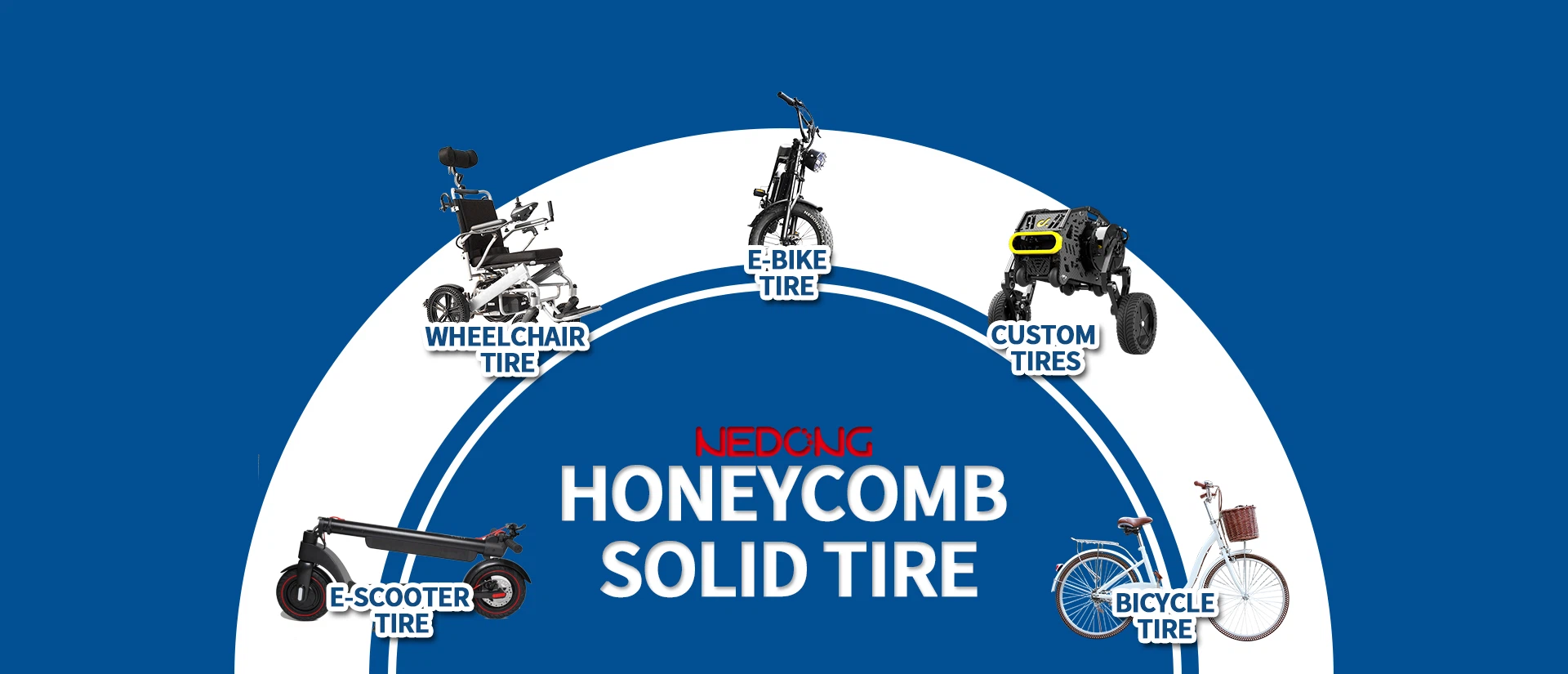
Solid tires, also known as non-pneumatic tires, are not filled with air. Instead, they are made of solid rubber or plastic, which makes them completely immune to punctures and flat tires. Solid tires are popular for bicycles and scooters, especially in urban areas where punctures are common.
On the other hand, air-filled tires with inner tubes are the traditional standard for most vehicles, including cars, motorcycles, and bicycles. These tires have a tube inside the tire that is filled with air. Air-filled tires offer a more comfortable ride because they absorb shock and vibrations better than solid tires. They also offer better traction on wet or slippery surfaces due to their ability to conform to the road surface.
One of the biggest differences between solid and air-filled tires is maintenance. Solid tires require no maintenance because they can’t go flat, but they can wear down over time and need to be replaced. Air-filled tires, on the other hand, require regular maintenance, such as checking tire pressure, repairing punctures, and replacing worn tires.
Another difference is performance. Solid tires are more durable and can handle heavier loads, but they don’t offer the same level of performance in terms of traction, ride comfort, and handling as air-filled tires.
In conclusion, solid tires and air-filled tires with inner tubes offer different advantages and disadvantages. Solid tires are great for heavy-duty and low-maintenance applications, while air-filled tires with inner tubes offer a more comfortable ride and better performance on the road. It’s important to choose the right type of tire based on your vehicle and usage needs.
What are the types of tires
Jun 21, 2023
Send Inquiry